
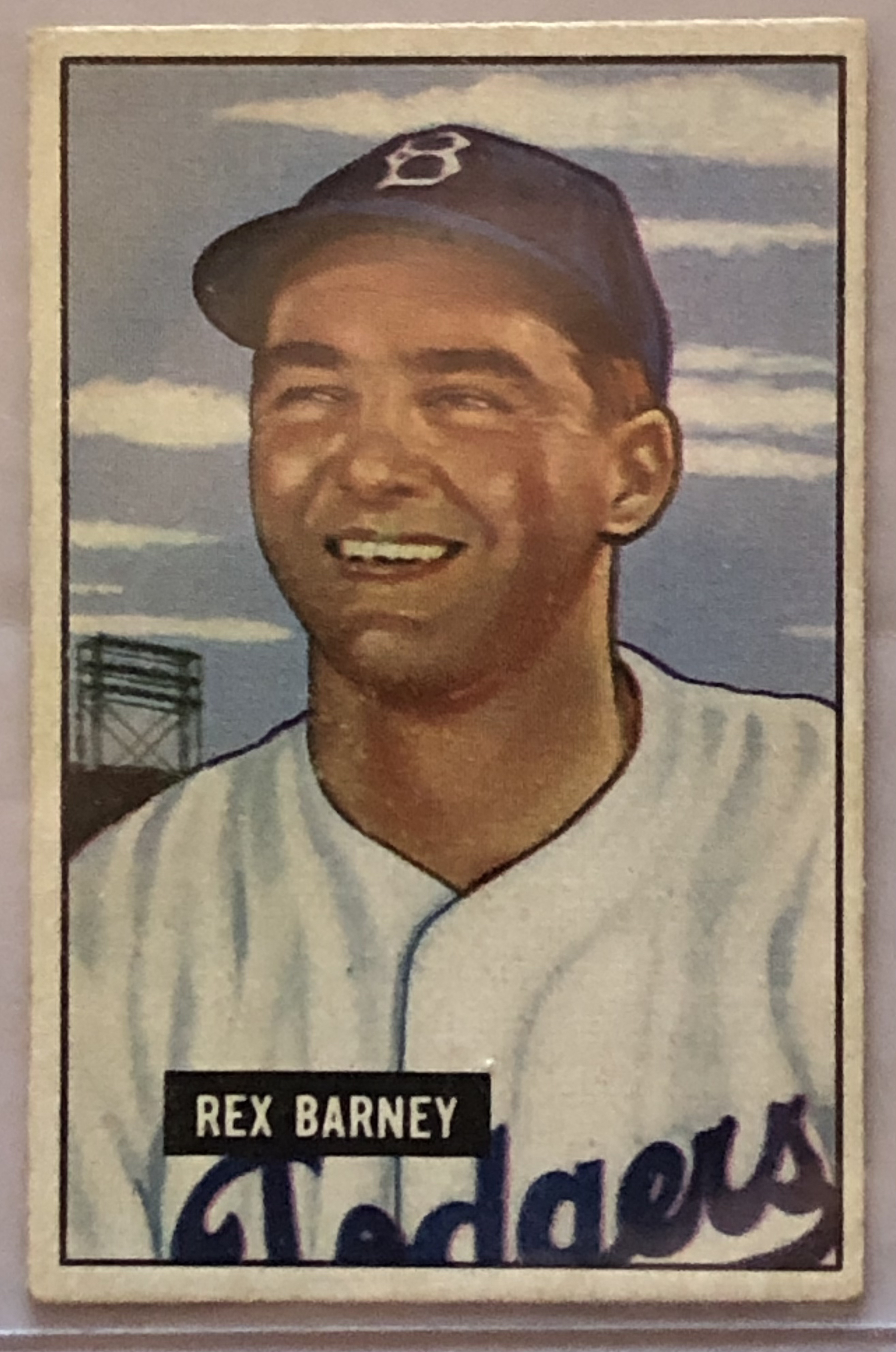
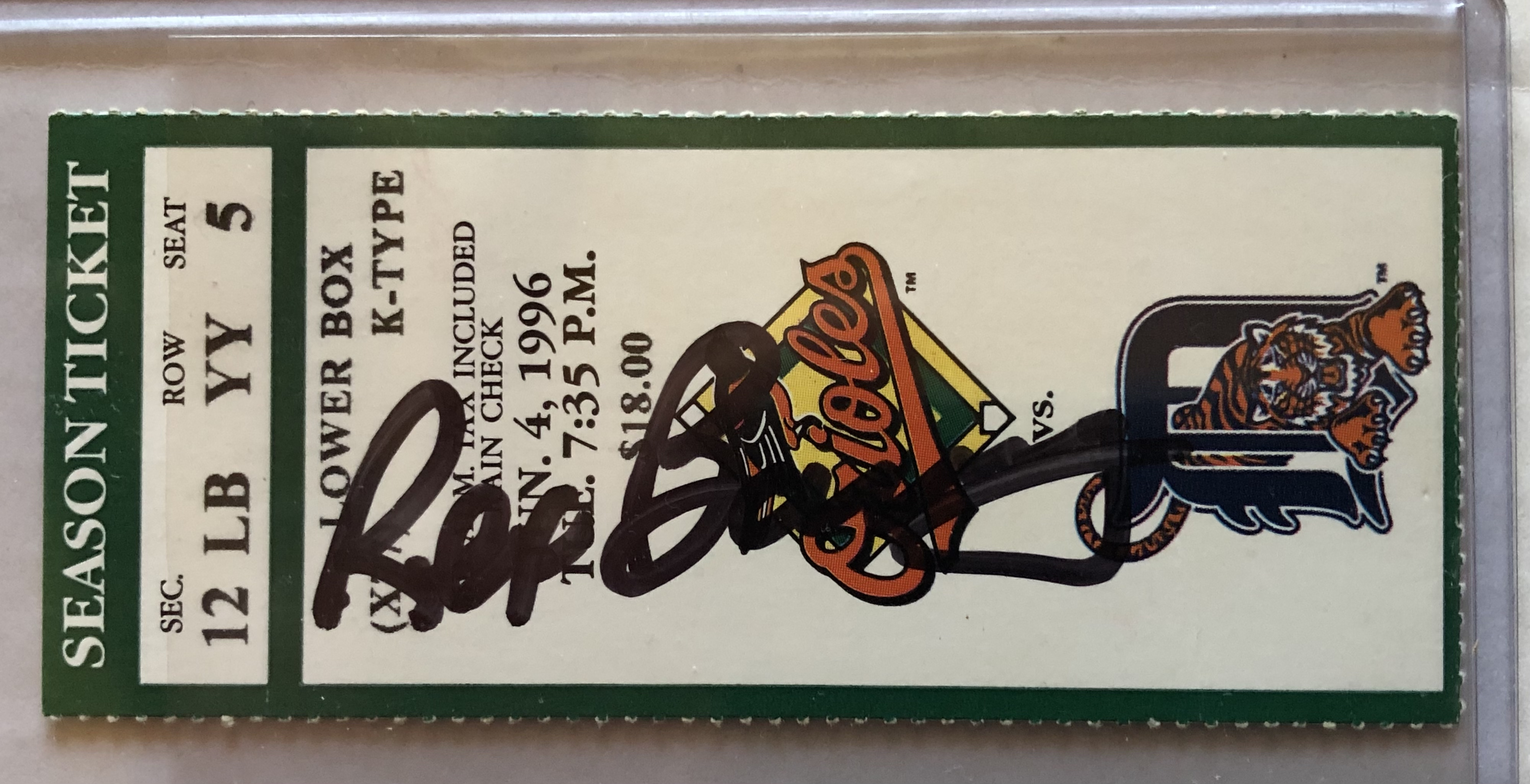
I spent my formative years in two different places. Ohio for the first (almost) 10 years, which is why the Reds are my 1b favorite team, and Maryland for the next 12+. I became an Orioles fan, my 1a favorite team, when I attended my first game at Oriole Park at Camden Yards in 1992, the ballpark’s inaugural season. If you haven’t been, going to a game there is something I would recommend to any baseball fan. As the defining example of a neo-classic ballpark and the inspiration for many of today’s most beautiful venues, Camden Yards was built with both the future and the past in mind. The neo-classic style blends modern amenities like wide concourses, improved sightlines, and luxury suites with timeless elements such as brick, steel, asymmetry, and a connection to the surrounding city. If you take the time to wander the grounds, you begin to sense that this place is more than brick and steel. It feels like a quiet conversation with the past, rich with echoes of the great parks that once stood, but have since faded into baseball’s enduring, romantic history. The designers stitched those memories carefully into every detail. The asymmetrical outfield and field-level "out-of-town" scoreboard recall an era when ballparks felt personal and handcrafted. The stately facade and upper deck overhang echo old Yankee Stadium and Forbes Field, while the irregular outfield dimensions draw inspiration from Fenway Park and Wrigley Field. Along the baselines, the close, intimate seating brings to mind the feeling of Brooklyn’s Ebbets Field. The red brick and green-painted steel trusses reflect a time when the game itself was evolving, when the dead ball era was giving way to something livelier. Beyond the right field wall, thinly veiled by the smoke and savory aroma rising from Boog’s BBQ stand, the B&O Warehouse settles in as a backdrop that is unmistakably unique, yet somehow familiar, built around 1900 and preserved as part of the ballpark. It anchors the stadium in Baltimore’s industrial past, much like the way the classic parks were woven into the neighborhoods around them, creating a scene that beckons visitors to face the difficult choice between Boog’s irresistible pit beef and an Old Bay seasoned crab cake sandwich, rounding out an unforgettable day at the ballpark. Then there is Eutaw Street. Designed to capture the street-level energy once seen outside the old ballparks, it has become something timeless in its own right. Brass markers embedded in the pavement commemorate the majestic home runs that land there, each one a permanent reminder of a moment that rose above the ordinary. Walking that stretch, you feel connected not just to the game being played, but to the history that surrounds it. Here, the past is not replicated. It is remembered, reimagined, and allowed to breathe again. That setting is part of what made going to a game in Baltimore feel like more than just baseball. And for me, no one captured that feeling better than Rex Barney. I chose Dodgers pitcher and longtime Baltimore Orioles public address announcer Rex Barney as my HOMer. Rex had a lot to do with making it more than just a ballgame. As a player with the Brooklyn Dodgers in 1943 and from 1946 through 1950, he put together a respectable career, though, admittedly, not one that would place him among the game’s elite. He finished with a 35–31 record, a 4.31 ERA, and 336 strikeouts. He was widely regarded as one of the hardest throwers of his era, earning the respect of teammates and opponents alike, but struggled at times to command that power, which ultimately limited what might have been a far more dominant career. Like many players of his generation, Rex enlisted in the military in 1943 to serve in WWII, causing him to miss the entirety of the 1944 and 1945 seasons. His development was also impacted, and likely impeded, by this time spent serving in the war. Rex himself would later admit that he often wondered what might have been if things had gone differently. But his most enduring legacy came from a different role. From 1969 until his death in 1997, he became the voice of Camden Yards as the Orioles' public address announcer. His cadence was unmistakable. He would stretch each introduction just enough to build anticipation, giving you time to pause, to listen ... to take in the moment. His deep, booming voice would roll across the ballpark: “Now batting … number eight … the shortstop … Caaaal Riiipken.” He had a way of making even a routine at-bat feel like something worth paying attention to. Barney also became known for his signature calls with fans in the stands. When someone made a clean catch on a foul ball, he would say, “Give that fan … a contract!” The Orioles turned it into a tradition, delivering a novelty contract for the fan to sign with the team as a "player for a day" to go with their new souvenir. If a fan missed one, he might respond with, “Give that fan … an ERROR!” For me, Rex Barney was never just a voice in the background. He was part of the experience, part of what made going to a game at Camden Yards feel complete. I still remember walking up the steps of the section just below the press box one game just after he signed off at the end of an Orioles win, working up the courage to approach the booth window with my ticket stub in hand to ask him for an autograph. He didn’t have to stop packing his things as he prepared to leave, and he didn’t have to acknowledge me at all, but he did. He signed my ticket, handed it back, and then he thanked me, as if I had done HIM a favor. That moment has stayed with me ever since, and it’s the reason why I collect his cards and any memorabilia I can get my hands on. Each one is a tiny little time capsule that brings me back to some of the best times I’ve ever had watching my Orioles at Camden Yards. I have included a couple of pictures of my autographed ticket and one of the best baseball cards I have in my collection. When Rex passed away in 1997, I was at the first game that followed. There was no public address announcer that night, and it was impossible not to notice. The game went on, but something was missing. It felt quieter, less alive, a reminder of just how much he had meant to the experience without most of us even realizing it at the time. He would always close each game the same way, reminding fans to drive home safely and to come back again, before delivering his signature sendoff: “Thank yooouuuuuu!” No, Mr. Barney … thank you.
| Click here to return to the HOM page |
OBC: A Tradition of Excellence since 1991
Old Baseball Cards (OBC), copyright © 1991 -
Unauthorized use of the material contained
on this page is strictly prohibited.